Originally posted onDecember 4, 2025 @ 8:30 pm
31 Days of Sammi’s Favorite Things: Favorite Nonfiction Book
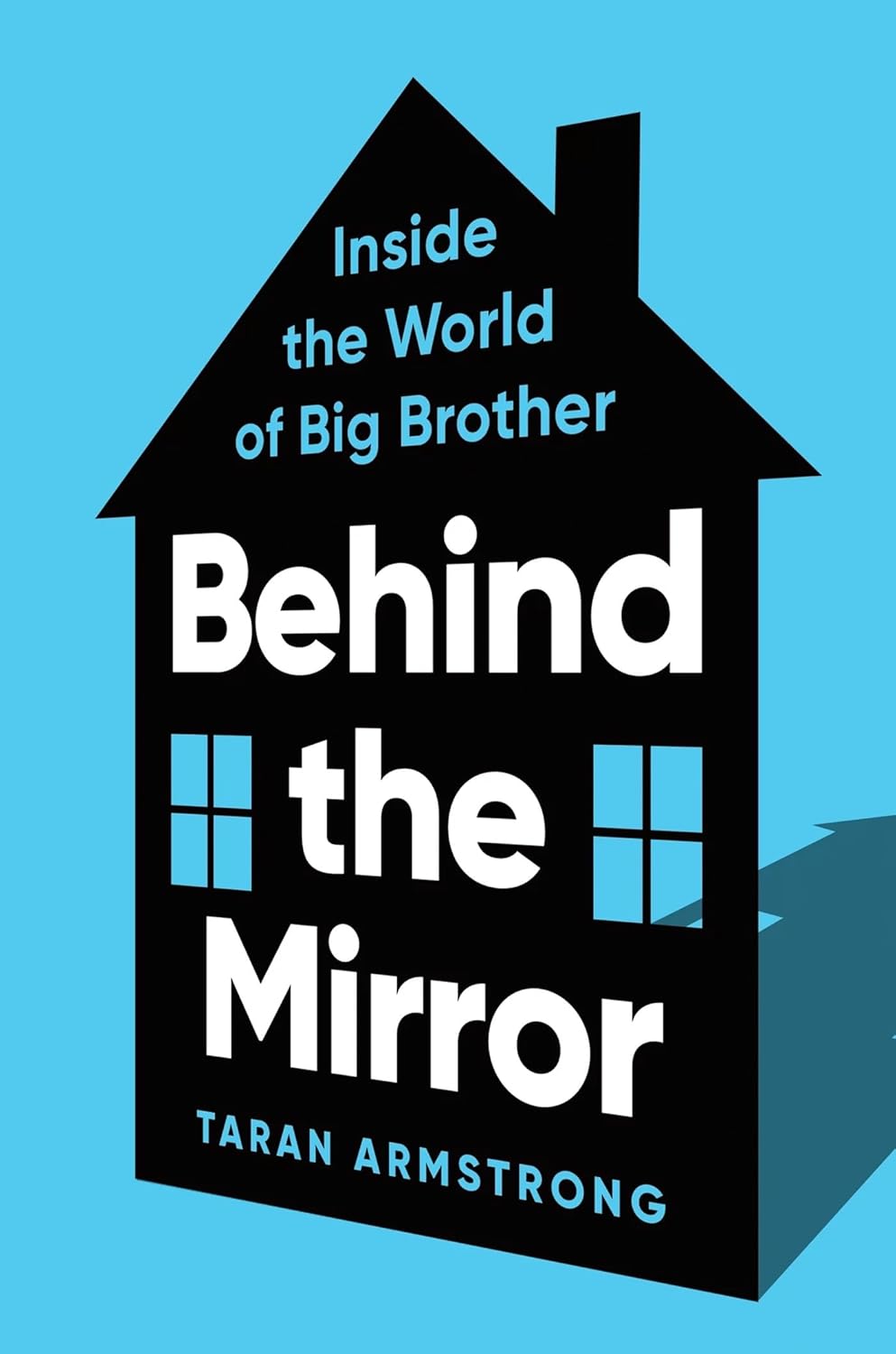
Day four of our 31 Days of Sammi’s Favorite Things features a book based on one of the greatest reality shows of all time….Big Brother! Behind The Mirror: Inside The World of Big Brother by Taran Armstrong, goes into in depth detail about the show, covering every big moment and even some smaller ones that even the biggest superfans may have forgotten.
It is greatest book for a Big Brother fan and probably one of the best written fan books I have read in a long time.
Check out more details below!
Introduction
Taran Armstrong describes the immersive world of Big Brother, from watching live feeds at 3 a.m. to analyzing the strategy, community, and impact of the show. He introduces his argument: Big Brother is not just a silly reality show, but a cultural mirror reflecting social strategy, power dynamics, and the world we have created for ourselves.
Chapter 1: Adaptations
Covers the disastrous Big Brother U.S. Season 1, which critics called boring and unwatchable. The format was reworked in Season 2 with competitions, evictions decided by housemates (not viewers), and the introduction of the “Head of Household.” This marked the real beginning of Big Brother U.S.
Chapter 2: The Evil Doctor
Profiles Will Kirby, the Season 2 winner, who pioneered manipulation as a strategy. Known as “Dr. Will,” he openly lied, charmed, and backstabbed, while co-founding “Chilltown.” His ruthless but charismatic play style shaped the future of Big Brother.
Chapter 3: Influences
Traces the roots of Big Brother to social experiments like the Biosphere 2 project, reality precursors like The Real World and Number 28, and JenniCam (early internet voyeurism). It explains how Dutch creator John de Mol fused these influences into the Big Brother format.
Chapter 4: Community
Explores the passionate and sometimes toxic fandom. Uses Season 6’s Kaysar vs. “The Friendship” alliance as a case study, showing how fans form deep connections with players and how online forums, fan sites, and later social media built a global Big Brothercommunity.
Chapter 5: Twisted
Examines how producers added twists to keep the show fresh, starting with the “Veto” in Season 3. Discusses Season 4’s infamous “X-Factor” twist (exes entering the house) and how twists shaped gameplay, sometimes disastrously.
Chapter 6: Do Not Assume
Covers Season 5’s Project DNA twist, which revealed secret family connections (Cowboy & Nakomis as half-siblings, plus the “Twin Twist”). This chapter critiques the moral and emotional toll of such casting stunts while celebrating the rise of “backdooring” strategies.
Chapter 7: The Evolution of Strategy
Analyzes how gameplay developed over time, especially the rise of secret alliances (Danielle & Jason, Season 3) and the floater strategy (Jun Song, Season 4). Shows how strategy shifted from chaos to sophisticated long-term planning.
Chapter 8: Controversy
Looks at scandals surrounding players and production:
- Evel Dick’s verbal abuse in Season 8,
- Adam Jasinski’s drug arrest post–Season 9,
- ongoing concerns about contestants’ mental health.
Shows how controversy fueled ratings but damaged reputations.
Chapter 9: The Renaissance
Focuses on Dan Gheesling (Season 10), considered the greatest Big Brother player. His loyalty façade, master manipulation, and eventual unanimous win revived the show after slumping seasons. Fans dubbed this a golden age of gameplay.
Chapter 10: Cancellation
Covers the low point: Season 15’s racism, misogyny, and slurs. Public backlash led to cast members being fired from jobs and CBS issuing disclaimers. The controversy nearly killed the U.S. version but also forced CBS to evolve.
Chapter 11: Cracking the Code
Explains how Season 12’s Brigade alliancebroke the game. By secretly pairing with outsiders, they effectively doubled their numbers. This ushered in an era where majority alliances dominated, frustrating fans who loved underdog stories.
Chapter 12: The Cookout
Highlights Season 23’s groundbreaking all-Black alliance, “The Cookout,” formed in response to CBS’s diversity mandate. They successfully ensured a Black winner for the first time in Big Brother U.S. history, making a major cultural impact.
Chapter 13: The Rules of the Game
Dives into how the game’s rules evolved: HOH, veto competitions, jury management, and twists. Shows how production interventions balance entertainment with fairness, while also reflecting American values like competition and capitalism.
Chapter 14: The Sword
Explores the darker consequences of Big Brother: harassment of contestants, mental health struggles, and the dangers of parasocial fandoms. The “sword” symbolizes both the power and harm of the game’s structure.
Chapter 15: The Mirror
Big Brother is a cultural mirror. It is sometimes distorted, sometimes revealing. The show reflects real social hierarchies, prejudices, and strategies people use in everyday life. Armstrong argues its enduring appeal is rooted in its ability to show us ourselves.




About the Author